 Indian Industry Plus A Pratisrutiplus Suppliment





The National Biodiversity Authority (NBA), in consultation with the Union Ministry of Environment, Forest and Climate Change, has enabled the notification of two institutions – Referral Centre Bhavasagara at CMLRE, Kochi and MACS Collection of Microorganisms and National Fungal Culture Collection at Agharkar Research Institute, Pune – as designated repositories under Section 39 of the Biological Diversity Act, 2002.
The Section empowers Central Government to designate institutions as repositories for different categories of biological resources. These repositories will support the safe custody of biological materials, including voucher specimens, and strengthen the documentation of newly discovered species, as well as biological resources used for research and commercial purposes.
The repositories are entrusted with maintaining biological materials in safe custody, and any person discovering a new taxon is required to notify the designated repository and deposit the corresponding voucher specimens. To facilitate this process, the NBA has issued guidelines outlining the criteria for institutions seeking designation as repositories. Proposals received from institutions are considered by the Authority (Governing body of NBA) and recommended to the Ministry for notification.
In this context, proposals were received from the Referral Centre Bhavasagara at the Centre for Marine Living Resources and Ecology (CMLRE), Kochi, and from the Agharkar Research Institute, Pune, for its MACS Collection of Microorganisms and National Fungal Culture Collection. These proposals were duly examined by an expert committee and recommended for notification in line with the prescribed guidelines.
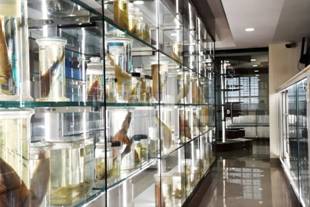
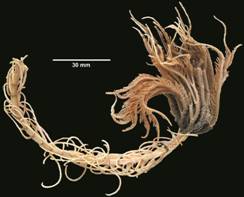
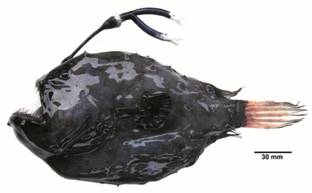
The Referral Centre Bhavasagara at CMLRE is a unique national facility dedicated to deep-sea biodiversity. It maintains over 3,500 taxonomically identified and geo-referenced voucher specimens, covering a wide range of marine organisms, including invertebrates and deep-sea fishes. The centre represents an important national resource for advancing marine research, particularly in areas that remain relatively unexplored.
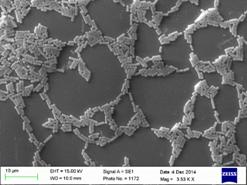
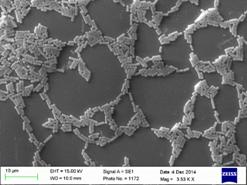
The MACS Collection of Microorganisms at Agharkar Research Institute is a well-established facility with long-standing expertise in preserving microbial cultures. It has developed specialised capabilities in handling rare and difficult-to-grow microorganisms, including anaerobic and extremophilic species. Its collection is among the most diverse and well-characterised in the country, supporting research and applications across agriculture, health, and industry.
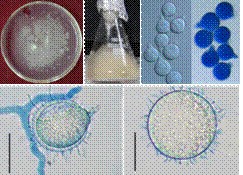
The National Fungal Culture Collection of India, also at Agharkar Research Institute, is a leading repository dedicated to fungal diversity. It maintains authenticated fungal cultures collected from diverse habitats across India and supports research in fungal identification and classification. The facility also provides services to academic institutions, research organisations, and industries, while contributing to capacity building through training and collaborative programmes.
So far, 18 institutions have been designated as national repositories under Section 39 of the Act. With the addition of these two institutions, the national network of repositories is further strengthened, enhancing the conservation and systematic documentation of biological resources.
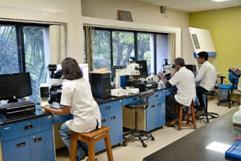
This will ensure that biological materials are preserved under appropriate scientific conditions and made accessible for research and innovation in a transparent and accountable manner. It will also support the effective implementation of access and benefit sharing provisions by improving traceability and record-keeping.
This initiative reflects India’s continued commitment to the objectives of the Convention on Biological Diversity and reinforces efforts to promote the conservation and sustainable use of biological resources, while ensuring fair and equitable sharing of benefits arising from their use.