 Indian Industry Plus A Pratisrutiplus Suppliment





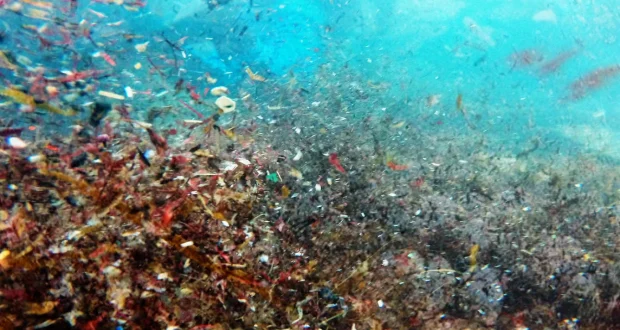
Plastic, once regarded as a symbol of human progress and convenience, has gradually evolved into a persistent environmental burden that now challenges the sustainability of life systems. As larger plastic materials degrade into microplastics, particles smaller than five millimetres, they disperse silently through air, water, and soil, entering biological systems across the globe. Current global estimates indicate that more than 430 million tonnes of plastic are produced annually, generating nearly 300 million tonnes of waste. A substantial proportion of this waste remains mismanaged and eventually fragments into microplastics. Scientific studies suggest that an average individual may ingest between 50,000 and 100,000 microplastic particles each year through food and drinking water, with additional exposure through inhalation. The detection of microplastics in human blood, lung tissue, and placenta highlights their ability to cross biological barriers and persist within the body.
While research has demonstrated that microplastics can induce oxidative stress, inflammation, and cellular disturbances, it is important to state with scientific responsibility that a direct causal relationship between microplastics and cancer in humans has not yet been conclusively established. At the same time, certain plastic associated chemicals, including endocrine disrupting compounds, are known to possess carcinogenic potential. Emerging evidence suggests that microplastics may act as carriers of such substances and contribute to biological pathways linked with chronic diseases. This evolving understanding necessitates careful long term research while simultaneously justifying precautionary public health measures.
In the Indian context, and particularly in Odisha, the issue assumes a multidimensional character due to rapid urbanization, changing consumption patterns, and gaps in waste management systems. India generates approximately 3.5 million tonnes of plastic waste annually, and a considerable portion remains uncollected or inadequately processed. Odisha contributes to this burden, with urban centres such as Bhubaneswar and Cuttack making progress in waste management, while peri urban and rural areas continue to face operational challenges. Plastic waste frequently accumulates in open fields, water bodies, and grazing lands, making it readily accessible to livestock. The widespread use of plastic in packaging, agriculture, and domestic activities has ensured that even remote villages are increasingly exposed to its impact. Agricultural soils subjected to plastic mulching and wastewater irrigation have been reported to contain considerable levels of microplastics, in some cases exceeding concentrations observed in marine environments.
From the standpoint of veterinary science, the impact of plastic and microplastic pollution on ruminants such as cows, bulls, and buffaloes is both visible and deeply concerning. These animals, which form the backbone of the agrarian economy and hold significant cultural value, are frequently exposed to plastic waste during grazing and feeding. Field observations and veterinary records indicate that a large proportion of stray and semi managed cattle ingest plastic materials along with food waste. In several documented studies across India, between 50 and 80 percent of examined stray cattle have been found to contain plastic residues in their digestive systems. In one widely reported case, more than 50 kilograms of plastic waste was surgically removed from the rumen of a single cow. While such extreme instances capture attention, even smaller and repeated ingestion leads to chronic health complications that often go unnoticed.
In Odisha, similar patterns are increasingly evident, particularly in urban fringes, roadside markets, and unmanaged dumping sites where animals feed on mixed waste. Veterinary practitioners have reported conditions such as ruminal impaction, reduced appetite, progressive weight loss, decreased milk yield, and recurrent digestive disturbances associated with plastic ingestion. Beyond the physical accumulation of larger plastic materials, microplastics present a subtler but equally significant risk. These particles can interfere with the rumen microflora, disrupting the microbial ecosystem essential for fermentation and nutrient assimilation. This disruption may result in reduced feed efficiency, compromised immunity, and a gradual decline in productivity. Emerging scientific observations also indicate that microplastics may translocate into tissues and potentially influence reproductive health through endocrine mechanisms, although further field based validation is required.
The detection of microplastics in milk and meat has added a critical dimension to this issue by indicating their entry into the human food chain. Preliminary findings from various studies have identified microplastic particles in commercially available milk samples, suggesting that exposure is not limited to environmental contact but extends to dietary intake. This creates a continuous cycle linking soil, water, plants, animals, and humans, reinforcing the interconnected nature of the problem. Such pathways strongly validate the relevance of the One Health concept, which recognizes that the health of humans, animals, and the environment are interdependent and must be addressed in an integrated manner.
The philosophical principle of Vasudhaiva Kutumbakam, meaning the world is one family, provides a profound ethical foundation to this scientific framework. It emphasizes that the well being of humans cannot be separated from that of animals and nature. The suffering of a cow ingesting plastic waste is not an isolated incident but a reflection of broader environmental neglect. When microplastics enter biological systems and circulate through the food chain, they illustrate how environmental degradation ultimately returns to affect all forms of life. This convergence of traditional wisdom and modern science offers a compelling basis for collective responsibility and action.
Despite increasing awareness, current responses to plastic pollution often remain fragmented and limited to short term initiatives. Observances linked to environmental events generate temporary attention but lack continuity and sustained impact. There is a clear need to transition from episodic awareness to structured, continuous, and locally relevant interventions. In the context of Odisha, this calls for the development of a comprehensive project that integrates environmental monitoring, veterinary health, community participation, and policy support.
A systematic approach would begin with baseline assessments to evaluate the extent of microplastic contamination in soil, water, and fodder across different regions of the state. Parallel veterinary surveillance programmes can document the prevalence and impact of plastic related disorders in livestock, generating evidence for targeted interventions. Community engagement will be central to the success of such efforts. Farmers, dairy owners, and local stakeholders must be sensitized to the risks associated with plastic contaminated feed and encouraged to adopt safe waste management practices. The promotion of plastic free grazing areas, effective segregation of waste, and the use of biodegradable alternatives can significantly reduce exposure.
Educational institutions, self help groups, and local governance bodies can play a vital role in disseminating awareness and fostering behavioural change. Integrating environmental health advisories into veterinary extension services can further strengthen outreach and ensure continuity. Policy level interventions should focus on strengthening the implementation of plastic waste management regulations, improving rural waste collection infrastructure, and incentivizing sustainable alternatives. Odisha has already taken important steps in regulating single use plastics, but consistent enforcement and monitoring remain essential.
Investment in research is equally critical, particularly in understanding the long term health effects of microplastics, their potential association with chronic diseases, and their impact on livestock productivity and reproductive health. Collaborative efforts involving veterinary institutions, environmental agencies, and public health departments can facilitate a multidisciplinary approach aligned with the One Health framework.
The magnitude of the challenge is significant, but it also presents an opportunity for meaningful and innovative intervention. With millions of tonnes of plastic waste generated annually and a considerable proportion remaining unmanaged, state level initiatives can make a substantial contribution to national and global efforts. Odisha, with its strong agricultural base, active institutional network, and growing environmental awareness, is well positioned to develop a model framework for addressing microplastic pollution through an integrated and practical approach.
The issue of microplastics is not merely an environmental concern but a reflection of collective responsibility and foresight. From a veterinary perspective, the silent suffering of animals that ingest plastic waste serves as a powerful indicator of deeper ecological imbalance. By embracing the principles of One Health and the spirit of Vasudhaiva Kutumbakam, it is possible to design interventions that are scientifically robust, socially inclusive, and ethically grounded. Such an approach can guide the formulation of a comprehensive project proposal for government consideration, with clearly defined objectives, measurable outcomes, and sustainable strategies. In doing so, Odisha can take a decisive step towards safeguarding the health of its people, its animals, and its environment, affirming that the well being of one is inseparable from the well being of all.