 Indian Industry Plus A Pratisrutiplus Suppliment





Better co-ordination between central agencies, state authorities, research institutions and private developers could help the state position as an emerging hub for offshore renewable activity on the east coast.
The emergence of the blue economy as a cornerstone of sustainable & equitable economic transformation is incessantly altering regional development paradigms across maritime states in India. Literally defined by the Ministry of Earth Sciences as the sustainable utilization of ocean and coastal resources for dynamic economic growth, improved livelihoods, and ecosystem ambience, the blue economy harmonizes natural capital with physical infrastructure. Located along the north western coast of the Bay of Bengal, the state of Odisha possesses a strategic coastline spanning roughly 480 kms extending to approximately 575 kms when accounting for contiguous estuarine contours and a continental shelf area of nearly 26,000 square kms. Drained by a massive riverine network often termed the “Gift of Six Rivers,” including the Mahanadi, Brahmani, and Baitarani, Odisha’s coastal zone represents a dynamic and strategic interface of nutrient-rich deltaic belts, brackish lagoons, and expansive ocean waters. Historically dependent on agrarian and mineral-extractive industries, Odisha is executing a structural shift toward ocean-led economic expansion, establishing itself as a pioneer in maritime governance, high-seas fisheries, commercial aquaculture, and sustainable coastal infrastructure.
A foundational element of Odisha’s blue economy model is its pioneering implementation of Marine Spatial Planning (MSP). It includes fisheries and aquaculture, offshore renewable energy, port, shipping, maritime infrastructure, costal and marine tourism. Developed under the Indo-Norway Integrated Ocean Initiative in collaboration with the National Centre for Coastal Research, Odisha became the first state in India to adopt a formal Marine Spatial Planning framework. By employing scientific tools such as benthic habitat mapping, bathymetric modelling, and oceanographic parameter analysis, the state has institutionalized multi-sectoral parameters to allocate coastal spaces for growth and development. This governance innovation shifts ocean management from fragmented, single-sector regulations to an ecosystem-based spatial approach, ensuring that economic acceleration along industrial corridors like Paradip and Dhamra which does not compromise ecologically sensitive habitats like the Gahirmatha Marine Sanctuary or the Chilika Lake ecosystem.
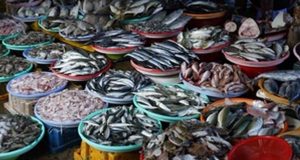
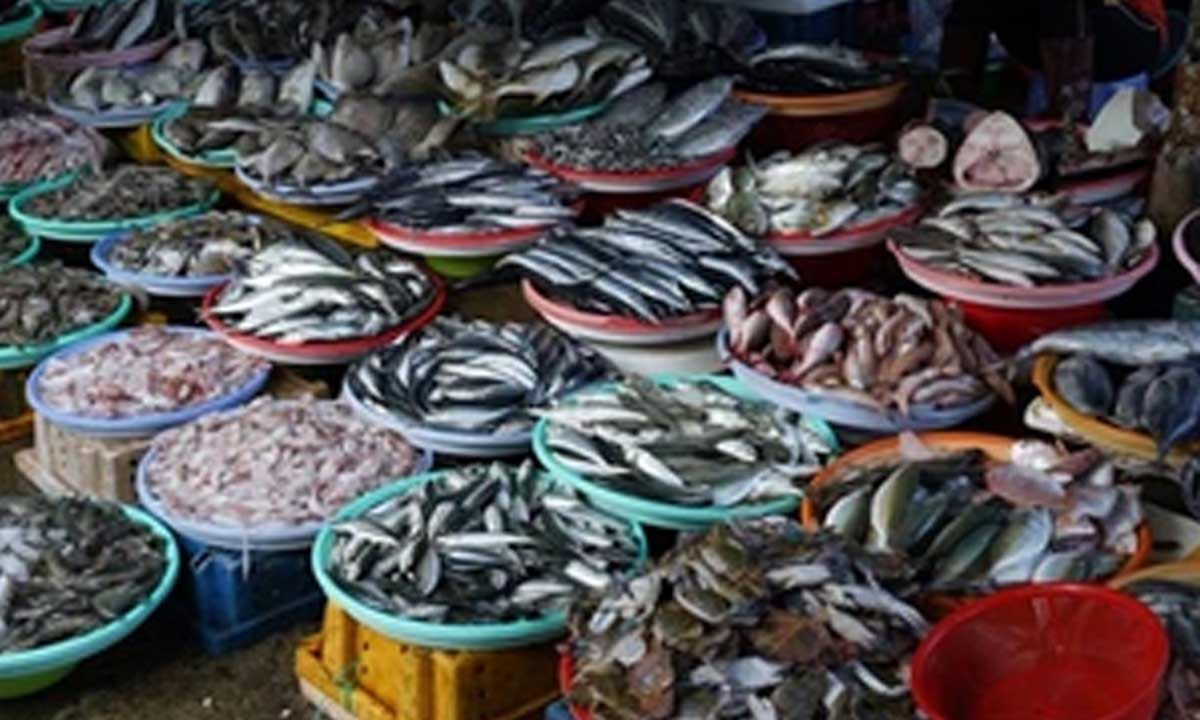
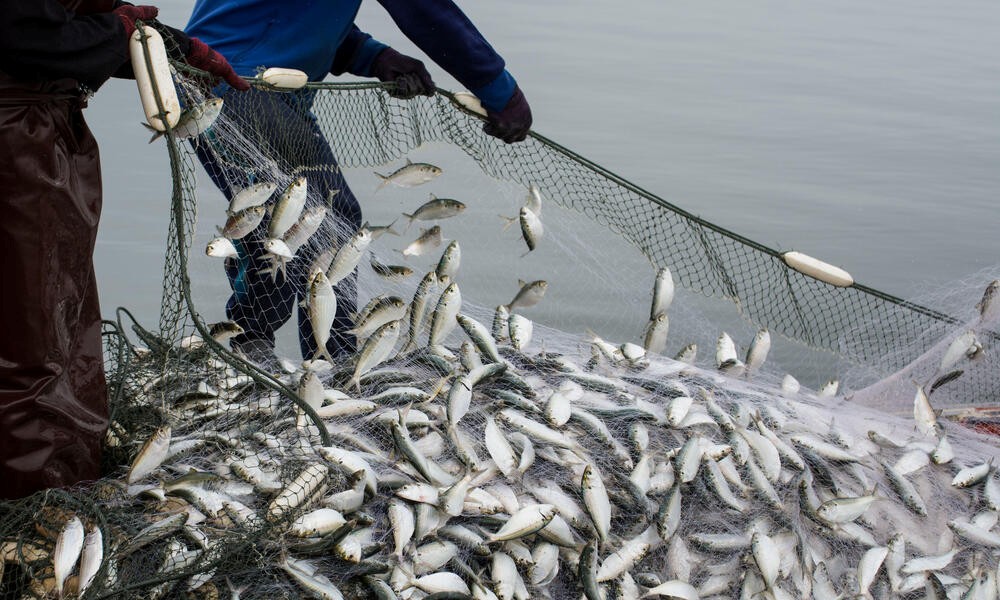
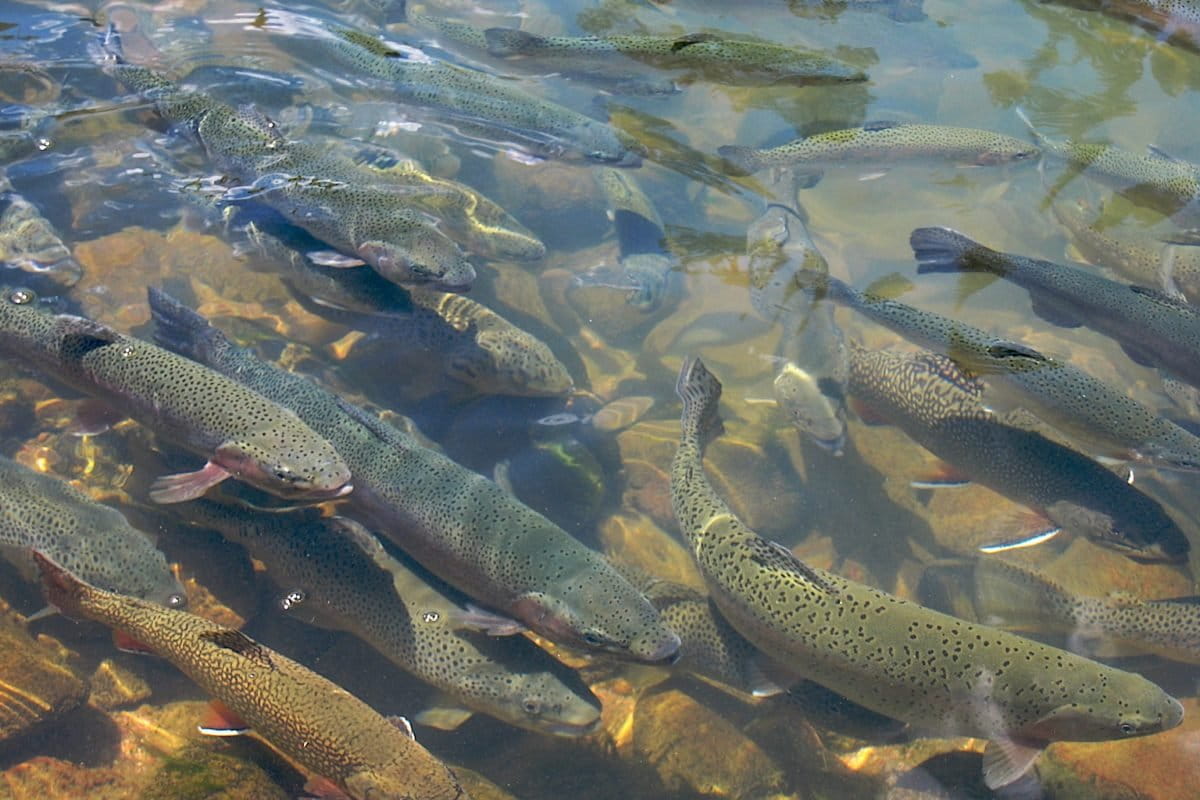
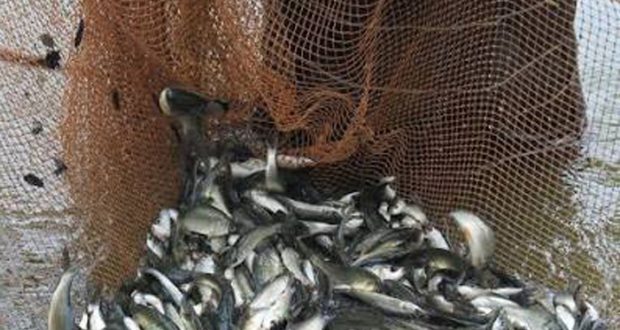
Fisheries and aquaculture emerge as the dominant pillars of blue economy, supported by the rapid growth in fish, shrimp and crab production. Odisha has registered strong export performance in marine products, becoming the third largest contributor among Indian states. State flagship initiatives like implementation of MMKY, increased private investment across fisheries value chain and promotion technologies have played a significant role in increasing fish production and exports. Deep sea fishing provides a major opportunity for Odisha to harvests beyond traditional costal water by accessing richer and more diverse fish stocks.
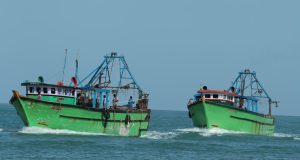
Central to Odisha’s coastal strategy is the modernization and offshore expansion of its marine fisheries sector. Traditionally, Odisha’s 1.5 million coastal fisherfolk spread across more than 800 villages have operated primarily within near-shore territorial waters, leading to localized resource depletion and economic vulnerability. To address this, the Odisha Cabinet approved the comprehensive Odisha Deep Sea Fishing Mission (2026–2036) with a dedicated budgetary allocation of ₹2,295.45 crore. The decade-long mission is designed to shift fishing pressure away from delicate coastal ecosystems toward the untapped waters of India’s Exclusive Economic Zone (EEZ) and the high seas. Scientific resource assessments indicate significant underutilized pelagic assets in deeper waters, particularly high-value species such as yellowfin tuna, oceanic squid, and billfish. By deploying modern deep-sea vessels, introducing mother-vessel processing systems, and upgrading mechanized boats, the state targets an additional annual marine fish yield of 200,000 metric tonnes, the creation of 50,000 direct and indirect jobs, and an increase in annual marine export revenues to ₹5,000 crore by 2036. The entire operation will boost the economy and will change the industrial scenario of the state in breakneck speed.
Simultaneously, inland saline and brackish water aquaculture has emerged as a primary engine of rural income growth and export valuation. Odisha’s regulatory framework has expanded the scope of white-leg shrimp (Litopenaeus vannamei) culture into inland saline lands situated two to ten kilometres beyond the High Tide Line under strict environmental safeguards. This policy integrates cluster-based farming, mandatory digital registration, biosecurity protocols, and effluent treatment systems to mitigate environmental degradation and disease risks. Through this intervention, Odisha aims to bring an additional 25,000 hectares under regulated shrimp cultivation, expanding production from 160,000 metric tonnes to 900,000 metric tonnes and propelling total seafood export earnings from approximately ₹5,429 crore to ₹15,000 crore annually by 2036, supporting nearly 250,000 livelihoods, thus fulfilling the very purpose of Vikasita Bharat.
This state-level vision is fortified by substantial central capital investments under the Pradhan Mantri Matsya Sampada Yojana (PMMSY). The Government of India sanctioned ₹1,301.18 crore for targeted fisheries infrastructure across Odisha. Key projects include a ₹100 crore flagship integrated aqua park in Sambalpur, designed as a technology transfer and processing center, and a ₹59.13 crore state-of-the-art wholesale fish market in Bhubaneswar to streamline supply chains and reduce post-harvest losses, which historically ranged between 20% and 30%. Financial inclusion has been further strengthened through the rollout of subsidized Kisan Credit Cards (KCC) and interest subvention schemes for traditional fishers, lowering capital barriers for small-scale operators. Furthermore, operational guidelines under national frameworks, such as duty-free catch allowances for Indian-flagged vessels in international waters and simplified Letters of Authorisation (LoA), facilitate Odisha’s integration into global seafood value chains.
Beyond food security and extractives, the infrastructure footprint of Odisha’s blue economy rests on port-led industrialization and maritime trade corridors. Paradip Port, one of India’s premier major ports, alongside private deep-water facilities at Dhamra and Gopalpur, forms the logistical spine of the state’s trade connection to Southeast Asia and East Asia. In alignment with national port-led development goals, coastal economic zones are being outfitted with integrated cold-chain logistics, seafood processing parks, and digital traceability systems. These physical assets are tied directly to the state’s broader macroeconomic trajectory outlined in the Odisha Vision 2036 and 2047 frameworks, which project a thirteen-fold expansion of the state economy driven significantly by coastal manufacturing, logistics, and marine value addition.
Crucially, the sustainability of Odisha’s blue economy depends on ecological stewardship and climate resilience. The state’s 480-kilometer coastline is among the most hurricane-vulnerable regions in the Indian Ocean basin, frequently subjected to severe cyclonic storms and storm surges. Sustainable blue growth requires balancing economic infrastructure with natural coastal defences. Odisha’s extensive mangrove forests—most notably within the Bhitarkanika National Park—and the Chilika Lake wetland system (Asia’s largest brackish water lagoon covering over 1,100 square kilometres) act as critical bio-shields and carbon sinks while supporting bio-diverse fisheries. To maintain ecosystem balance, current state programs incorporate artificial reef deployment, sea ranching, and eco-labelling alongside eco-tourism development.
Coastal and Marine tourism is identified as a high growth sector, supported by Odisha diverse seascapes, heritage sites, and adventure tourism potential. upgradation of twelve priority beaches, promotion of water-based activities, and eco-tourism frameworks aim to create sustainable livelihood opportunities while preserving fragile ecosystems. There is an urge to unlock full economic potential of Chilika Lake through ecotourism, water-based recreation activities, aquaculture diversification, and community-based livelihood expansion.
Offshore renewable energy represents an emerging pillar of the blue economy and holds significant potential to contribute to the state economy and clean energy transition. Globally, offshore wind has witnessed rapid growth, particularly in Europe and East Asia, supported by reduced technology costs, maturing supply chains and favourable policy regimes. India has also identified offshore wind as a strategic component of its future energy mix in pursuit of net-Zero commitments and energy security goals. India has approved viability gap funding for offshore wind energy projects in past. Financial options such as long-term power purchase pathways and multilateral climate finance could play a vital role in improving project bankability. Alignment with central Government initiatives such as offshore wind leasing frameworks, infrastructure support schemes and hydrogen linked procurement mechanisms may also strengthen market signals for developers. Better co-ordination between central agencies, state authorities, research institutions and private developers could help the state position as an emerging hub for offshore renewable activity on the east coast.
In conclusion, Odisha’s multi-pronged approach to the blue economy demonstrates how scientific spatial planning, target-driven policy missions, deep-sea technological modernizations, and ecological governance can converge to stimulate economic growth. By combining high-value deep-sea harvest, expanded bio secure aquaculture, modernized port logistics, and climate-resilient coastal management, Odisha is setting a scalable benchmark for ocean-based sustainable development across developing maritime nations. However, the blue economy offers Odisha a transformative pathway to achieve sustainable, inclusive and future ready economic growth for the posterity.