 Indian Industry Plus A Pratisrutiplus Suppliment





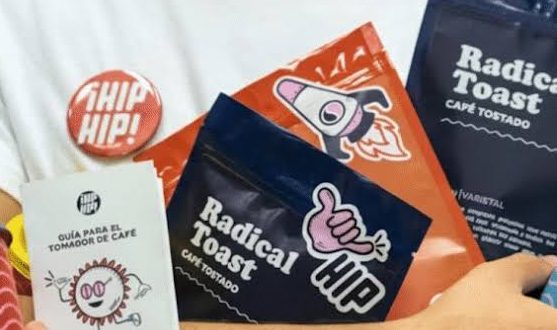
While effective packaging can differentiate a product to communicate value, excessive dependence on visual appeal can also encourage impulsive buying and create misleading expectations.
Brand packaging is not only a protective covering with attractive wrapper. It acts as a powerful marketing instrument that shapes the perceptions, purchasing decisions and the loyalty of consumers towards a brand. It also involves in balancing among functional protection, brand identity, consumer psychology and sustainability of the brand. It also acts as a silent sales agent at the point of sale where two-third of purchasing decisions normally happen. It contributes towards the art of designing an attractive appeal as well as the science of expression of distinctiveness and meaningfulness. Every part of the pack design can be broken apart into discrete elements and indicates how important each of these assets are. The pack design of a bar of Lux soap consists of gold and pink background colour, rose buds, and words such as ‘soft touch’, or ‘floral beauty oil’. Similarly, a bar of 5 Star chocolate has gold background, ‘Cadbury’ in a purple splash, and icon of five stars below the name.
In today’s fiercely competitive fast-moving consumer goods (FMCG) market, a product often begins selling itself before the consumer experiences its quality. The initial silent interaction takes place through the packaging components like colour, typography, shape, material, labelling and convenience which together influence the consumers to perceive a brand. While effective packaging can differentiate a product to communicate value, excessive dependence on visual appeal can also encourage impulsive buying and create misleading expectations. Meaningful attributes add more weight to the brand personality and make it distinctive. The distinctive brand assets act as triggers that prompt consumers to think of a particular brand name without explicitly stating it.
Packaging performs several functions simultaneously: protecting the product, communicating information, creating brand recognition and influencing purchase decisions. In crowded retail outlets, consumers often spend only a few seconds evaluating competing products. For example; Distinctive packaging can provide an immediate competitive advantage while considering the Indian biscuit and confectionery market. Britannia and Parle use recognisable brand colours, product images and familiar visual identities to help consumers identify their products quickly. Their packaging reinforces familiarity and trust, particularly among habitual buyers. However, attractive designs alone cannot sustain loyalty, if taste, quality or price fails to meet their expectations. The critical point is that packaging may attract attention for first purchase, but repeat purchases ultimately depend on the real value delivered by the product.
The packaged food and beverage category illustrates the close relationship between packaging and consumer behaviour. Amul, for example, uses different formats for milk, butter, ice cream and other dairy products. Cartons, pouches, cups and tubs communicate different usage occasions while addressing storage, portability and product-protection requirements. Similarly, Coca-Cola uses its distinctive bottle shape, familiar red branding and product labels to support brand recognition. Its packaging creates a consistent identity across retail channels, while different sizes cater to individual consumption, family use and on-the-go purchases.
A recent example demonstrates how established brands use packaging to renew consumer interest. In February 2026, Lay’s announced a major visual identity refresh in India, with redesigned packs scheduled to roll out from March onwards to emphasise its potato-based origins and the familiar red ribbon and sun symbols. PepsiCo also stated that the refreshed packaging would use a polyolefin-based, recycle-ready structure, subject to collection and appropriate management of waste. However, a refreshed design does not automatically improve the product itself. Consumers must distinguish genuine improvements in ingredients. The real test is whether the redesign of packaging strengthens trust and delivers measurable benefits beyond visual novelty or not.
Conversely, brands offering economical sachets and refill packs can appeal to price-sensitive Indian consumers by making products accessible in smaller quantities. Such packaging supports affordability and trial purchases, although sachets may create significant waste when collection and recycling systems are inadequate. The critical distinction is between packaging that genuinely improves usability and packaging that merely creates an impression of superiority.
Packaging can also exploit psychological biases. Oversized containers may create an impression of greater value. Small print, confusing labels and ambiguous environmental claims can prevent consumers from making informed choices. when product quantities decline while packaging remains almost unchanged, consumers may overlook the reduction. Such practices can undermine trust, particularly among households facing inflation and tight budgets. Companies must therefore prioritise transparent quantity declarations, legible nutritional information, accurate product imagery and substantiated sustainability claims. Packaging should inform consumers rather than manipulate them.
Environmental responsibility is increasingly central to packaging strategy. Nevertheless, claims such as “recyclable,” “eco-friendly” and “sustainable” should be supported by evidence. A technically recyclable package offers limited environmental benefit if local systems cannot collect or process it.
Brand packaging has evolved from a protective necessity into a strategic influence on consumer behaviour. It attracts attention, communicates identity, encourages trial and reinforces loyalty. Yet, its effectiveness should not be measured solely by shelf visibility or immediate sales. Ultimately, good packaging should sell the product without misleading the buyer, enhance convenience without imposing unnecessary environmental costs, and build a relationship based on trust rather than appearance alone. That is the difference between packaging that merely attracts consumers and packaging that creates lasting brand value.