 Indian Industry Plus A Pratisrutiplus Suppliment






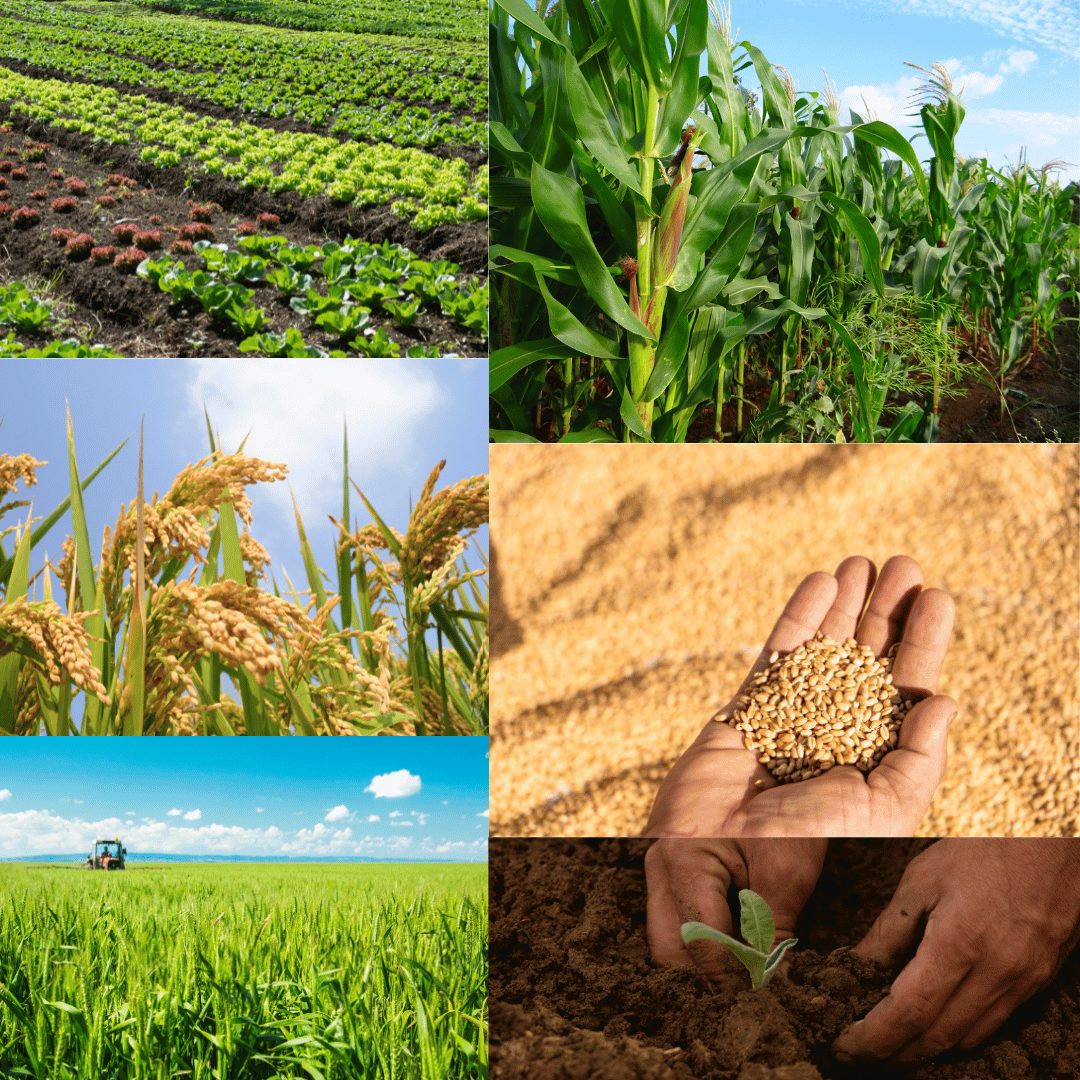
Genetically modified crops are developed by altering the genetic material of plants through biotechnology to introduce specific characteristics that may not be easily achieved through conventional breeding process. These characteristics include resistance to insects and diseases, tolerance to certain herbicides, improved nutritional quality and greater adaptability to environmental stress.
Indian agriculture is at a critical crossroads. Rising population, shrinking agricultural land, climate change, water scarcity, declining soil fertility and increasing production costs are putting enormous pressure on the farming sector. In this context, genetically modified (GM) crops have emerged as a potential technological solution to improve agricultural productivity, reduce crop losses and strengthen food security. However, their introduction in India has generated reactions from farmers, scientists, policymakers, environmentalists and consumer organisations. It has raised question whether GM technology can provide sustainable solutions to India’s agricultural challenges without creating unacceptable risks to human health, biodiversity and farmers’ economic interests.
Genetically modified crops are developed by altering the genetic material of plants through biotechnology to introduce specific characteristics that may not be easily achieved through conventional breeding process. These characteristics include resistance to insects and diseases, tolerance to certain herbicides, improved nutritional quality and greater adaptability to environmental stress. For example, Bt Cotton contains genetic material from the soil bacterium Bacillus thuringiensis, which enables the plant to produce proteins in order to protect the crop from certain bollworm insects. According to a 2026 research review, approximately 209.8 million hectares of land across 28 countries were under GM crop cultivation during 2024–25. India ranked among the five largest GM crop-producing countries, primarily because of its extensive Bt cotton cultivation.
Status of GM crops in India
According to the Ministry of Agriculture, Bt cotton is the only GM crop approved for commercial cultivation in India since 2002. It became widely adopted because of its ability to control bollworm infestation and reduce the requirement for certain insecticide applications. Indian Council of Agricultural Research (ICAR) reported that bollworm infestation declined considerably along with the use of insecticide application.
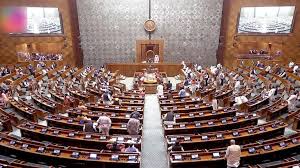
India regulates GM crops under the 1989 Rules notified under the Environment (Protection) Act, 1986. The Genetic Engineering Appraisal Committee (GEAC), along with other regulatory institutions, plays an important role in evaluating biosafety and environmental risks. However, concerns regarding transparency, institutional accountability, independent scientific evaluation and conflicts of interest have affected public confidence. The Supreme Court’s 2024 judgment on GM mustard further emphasised the need for a comprehensive national policy and wider stakeholder consultation.
Major issues and challenges
One of the most significant concerns surrounding GM crops is their potential impact on biodiversity. India is a centre of origin and diversity for several important agricultural crops. Cross-pollination between GM and non-GM varieties may lead to unintended genetic contamination. There are also concerns regarding the possible impact on beneficial insects, pollinators, soil microorganisms and other organisms within the agri-ecosystem. The long-term ecological consequences require continuous scientific monitoring. Another concern is about safety assessment concerns for human health and food system. Potential allergenicity, unintended changes in nutritional composition and other unforeseen health effects need regular and rigorous examination. Independent scientific studies and transparent disclosure of research findings are essential to establish public confidence.
Bt cotton initially provided substantial protection against bollworm attacks. However, the emergence of pink bollworm resistance has weakened the effectiveness of existing Bt technology in several cotton-growing regions. This demonstrates that genetic modification alone cannot provide a permanent solution to pest management. Farmers must follow integrated pest management practices, crop rotation and appropriate strategies to prevent the development of resistance.
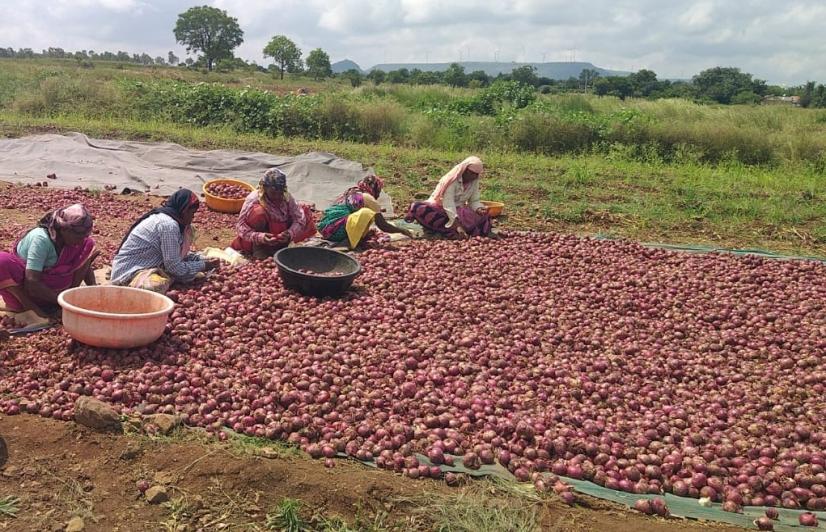
The high cost of proprietary GM seeds and dependence on a limited number of seed companies raise concerns about farmers’ economic independence. Intellectual property rights and technology licensing can influence seed prices and market competition for GM crops. Small and marginal farmers, who constitute a significant proportion of India’s agricultural community, may find it difficult to bear additional costs. Therefore, the economic benefits of GM technology must be assessed in terms of actual farm profitability rather than merely higher production potential.
Another emerging challenge is the illegal or unauthorised cultivation of GM crops and technology gap. A study conducted in October 2026 estimated that herbicide-tolerant Bt cotton occupied approximately 24 to 30 per cent of India’s cotton acreage during the 2025-26 season. Farmers’ demand for such seeds is partly driven by labour shortages and the high labour cost for weed removal. However, unauthorised cultivation creates difficulties in ensuring seed quality, monitoring environmental risks and fixing accountability when crops fail.
The way forward
India needs a balanced, science-based and farmer-centric approach towards GM technology. Firstly, proposed GM crop should undergo independent, transparent and location-specific biosafety assessments before commercial introduction. Secondly, regulatory institutions must be strengthened through multidisciplinary expertise, public disclosure of research findings and effective post-release monitoring. Thirdly, farmers’ interest should remain key for policy-makers. Availability of seeds at affordable cost, protection of indigenous varieties, fair licensing arrangements and access to reliable agricultural information are essential. Fourth, GM technology should complement rather than replace conventional breeding, organic farming and integrated pest management. Moreover, investment in climate-resilient varieties, drought-tolerant crops and nutritional improvement should receive equal priority.
Finally, the government must establish a comprehensive national policy involving agricultural scientists, state governments, farmer bodies, environmental organisations, industry representatives and consumer groups. Public consultations and scientifically credible communication can help bridge the trust deficit surrounding GM crops.
Conclusion
Genetically modified crops offer considerable opportunities to address India’s agricultural productivity challenges. The experience of Bt cotton demonstrates both the potential benefits and the limitations of genetic engineering. India must avoid both unconditional acceptance and blanket rejection of this technology. The ultimate objective should be to ensure that any scientific innovation contributes to food security, environmental protection and farmers’ prosperity. A cautious yet progressive approach, supported by independent research, transparent regulation and strong public participation, will determine the fate of GM technology to become a sustainable instrument of India’s agricultural transformation.