 Indian Industry Plus A Pratisrutiplus Suppliment






Most of the paddy producing farmers belong to small or marginal group and they do not afford to advanced technology which is a major concern to productivity or yield rate per acre.
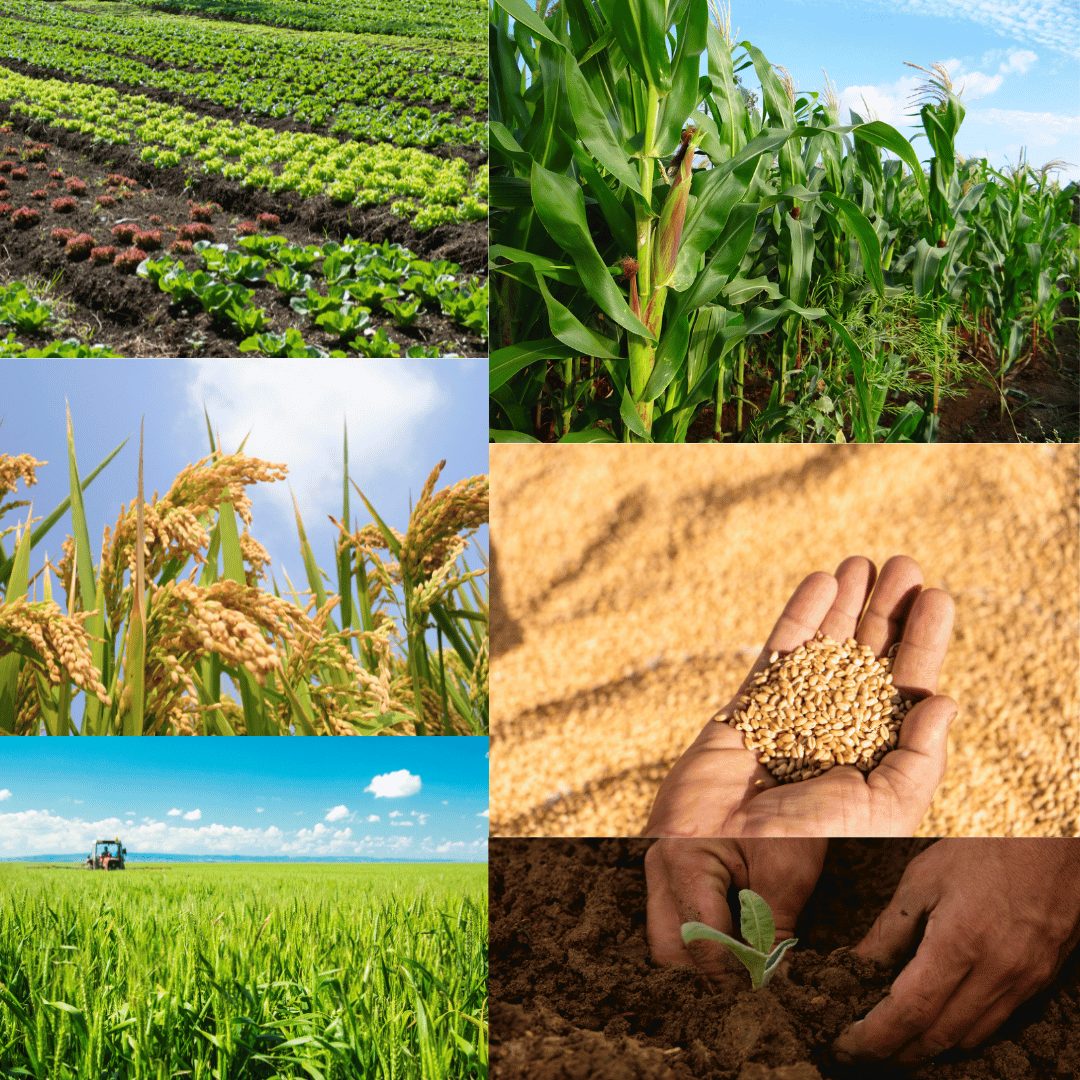
India is the largest producer and exporter of rice in the world while feeding to majority of its population throughout the year. Rice is the primary staple food in India which is cultivated on about 25% of the cropped area. Average area of rice cultivation in India in between 2020-21 to 2024-25 comes to 47826 thousand hectors. Last year, India has produced record rice output surpassing China to become the world’s largest producer with projections to reach 151 million tonnes. India has doubled its export of rice in last decade. Total area coverage, production and yield are showing positive trends over years continuously. Despite being the highest producer of world, the yield or productivity is less in comparison to other countries like China, U.S, and Australia. In India, the yield per hector comes to 4.4 tons during the year 2024-25 while Australia and China have productivity of 8.4 and 6.7 tonnes per hectare respectively. Eastern India accounts for the largest cultivated area (55%) while the northern and central region’s Indo-Gangetic plains are major contributor to rice. Major rice producing states in India are West Bengal, Uttar Pradesh, Punjab, Andhra Pradesh and Telangana. In Odisha rice is grown under diverse ecosystems and covers 69% of cropping area with a yield rate of around 2.5 ton per hectare. Odisha is a rice surplus state and contributes around 10% of the requirement of central pool.
The water requirement for rice cultivation is high in comparison to other substitute crops. This leads to ground water depletion in some regions like Punjab and Haryana. Most of the paddy producing farmers belong to small or marginal group and they cannot afford to advanced technology which is a major concern to productivity or yield rate per acre. India’s farm mechanisation intensity is lower than other rice producing countries, thereby causing lower efficiency in production value chain particularly in activities like soil preparation and harvesting. Overall mechanisation level for rice crop in India stands at 53% after the wheat (69%). A critical challenge for mechanisation pertains to prevalence of small land holdings with 80% of farms occupying less than 2 hectares and 62% averaging less than half a hectare. Most of the paddy producing farmers belong to small or marginal groups and they do not afford to advanced technology which is a major concern to productivity or yield rate per acre.
Despite of highest production and substantial quantum of export, India has faced bigger challenges including climate change causing drought, flood and heat. Besides, other problems like water scarcity, soil degradation, labour shortage, high cost of pesticides and erratic rainfall etc cause serious challenge to this crop. Due to huge requirement of water in states like Punjab and Haryana, ground water level has fallen abnormally. Natural recharge of water is just around 50 per cent of water lifting. As a result, the ground water level has fallen abnormally.
India has doubled its export of rice in last decade. Due to subsidy and support price offered by government, farmers are continuing rice cultivation and it became difficult to switch over them to other crops. Policy support is also needed for improving market access, credit and improving climate information. Further, they are also encouraged by getting subsidy in installation of pump set and rebate on electricity consumed. Most of the paddy producing farmers belong to small or marginal group and they do not afford to advanced technology which is a major concern to productivity or yield rate per acre.
Apart from above issues, the sector now faces various macro challenges too. These includes changing climatic scenarios, reduction of agricultural land, demographic changes affecting food habits, malnutrition and reduction in work force in agriculture sector. Central Rice Research Institutes (CRRI) are proactively working on introducing new rice varieties of hybrids and new generation rice varieties with high yielding potential to enhance productivity. These varieties are resilient to various biotic and abiotic stresses and will ensure sustainable production among changing climatic scenarios. The future of rice cultivation lies on adopting sustainable and technology driven methods focusing on climate change, water scarcity and rising demand. Innovation through precision agriculture using AI and satellite technology is crucial for a more productivity, environmentally free and economically and a strong policy support is required.