 Indian Industry Plus A Pratisrutiplus Suppliment





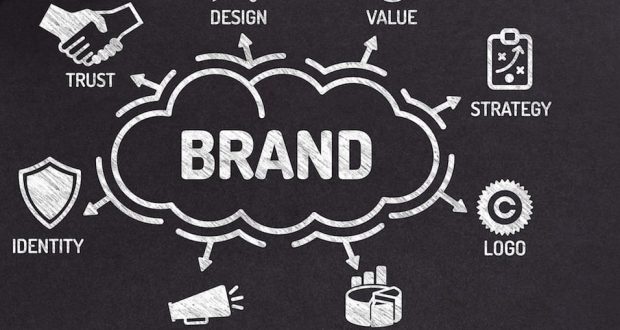
Brand activation is done in the market sharpening marketing mix known as product, price, place and promotion. A brand may get tired midway and may need innovation and right architectural combination of scale, range and proposition to march ahead to become a master brand. A brand should also have a right business model and a strong strategy to win its competitive landscape in order to stay on top.
In an increasingly dynamic and competitive marketplace, brands cannot afford to remain static. Over a period of time changes happen in consumer preferences, technology, cultural values, and market dynamics which forces a brand to adapt with such changes in order to stay relevant and resilient. Such process of adaptation to change is commonly referred to as “brand transition”. This involves various changes in brand identity, positioning, communication, and sometimes even the core business model. Successful brand transitions help organizations to strengthen customer loyalty, and open newer avenues for growth. At the same time, poorly managed transitions have possibility for alienating consumers and diluting brand equity.
Brand transition is not merely about changing logo or tagline. it is a strategic shift that reflects how a brand responds to internal ambitions and external pressures. These pressures may include technological disruption, globalization, sustainability concerns, generational shifts in consumers, or intensified competition. A well-planned brand transition balances continuity with above change and preserves core values of the brand while updating, augmenting and improving elements that no longer resonate with the target audience.
One of the primary drivers of brand transition is changing consumer behavior. Now-a-days consumers are more informed, value-driven, and also digitally connected. Brands must align with their expectations around quality, ethics, personalization, and experience. Technological advancement is another major factor. The rise of digital platforms, artificial intelligence, and e-commerce has forced traditional brands to reimagine how they have to interact with customers. Additionally, globalization has expanded markets with increased competition, making brand differentiation more critical than ever.
Diagnosing brand challenges is the basic thing which a marketer has to look into. Through performance analysis and mapping customer-choice, a clear brand vision can be defined. Brand purpose should be properly aligned with personal purpose of the customer. Now a customer portrait can be prepared discovering unique aspects about the target group based on the consumer insight through building a mind map by laddering process. Next step can be positioning the brand through highlighting the brand benefits and the reason to believe it. Brand activation is done in the market sharpening marketing mix known as product, price, place and promotion. A brand may get tired midway and may need innovation and right architectural combination of scale, range and proposition to march ahead to become a master brand. A brand should also have a right business model and a strong strategy to win its competitive landscape in order to stay on top.
Let us take few examples of sustainable brands which, throughout their life, have infused vigour and vitality to the brand. Popular to younger target group, Cadburry’s 5 Star chocolate is having extremely distinctive gold colour with caramel oozing making it a memorable brand experience. A brand should have distinctive characteristics throughout its life to stay alive.
Nike’s brand transition demonstrates how aligning with social and cultural aspects can strengthen brand relevance. Initially focused on athletic performance and professional athletes, Nike gradually broadened its brand narrative to involve its consumers for equality, and empowerment. While the move initially polarized audiences, it ultimately resonated strongly with younger, socially conscious consumers. Campaigns such as “Just Do It” evolved to highlight themes of perseverance.
Apple was initially positioned as a computer manufacturer catering to niche consumers. Later on, it transitioned into a consumer-centric lifestyle brand. The launch of products such as the iPod, iPhone, and iPad marked a strategic shift from selling devices to delivering integrated experiences. Apple’s branding evolved to emphasize simplicity, innovation, and emotional connection rather than technical specifications. Its minimalist design and iconic campaigns like “Think Different,” and seamless ecosystem reinforced this transition.
In the Indian context, the Tata Group with over a century of legacy, has been associated with trust, ethics, and nation-building. As markets liberalized and global competition increased, Tata has modernized its brand without losing its core values. The group emphasized innovation, global competitiveness, and sustainability in addition to its core values. Tata’s transition illustrates how legacy brands can remain relevant by blending tradition with technology and modernity.
Brand transition has challenges too. Existing customers may sometimes feel disconnected from the new brand identity. Employees may face challenges in understanding the internal alignment and brand promises. Inconsistent communication across channels can also weaken the impact of rebranding efforts. To mitigate these risks, organizations must conduct market research and clearly define their brand purpose, and implement changes gradually.
Brand transition is an inevitable process. Brands should remain deeply connected to their core values while adapting to new realities. As explained above, brand transitions are strategic, customer-centric, and purpose-driven. In the long run, brands that embrace change thoughtfully are better positioned to sustain relevance, build trust, and sit in the minds of consumers.